This chapter deals with mainly :
- Why and how of conservation
- Government programmes about conservation
- The local community’s involvement in such efforts
Biodiversity
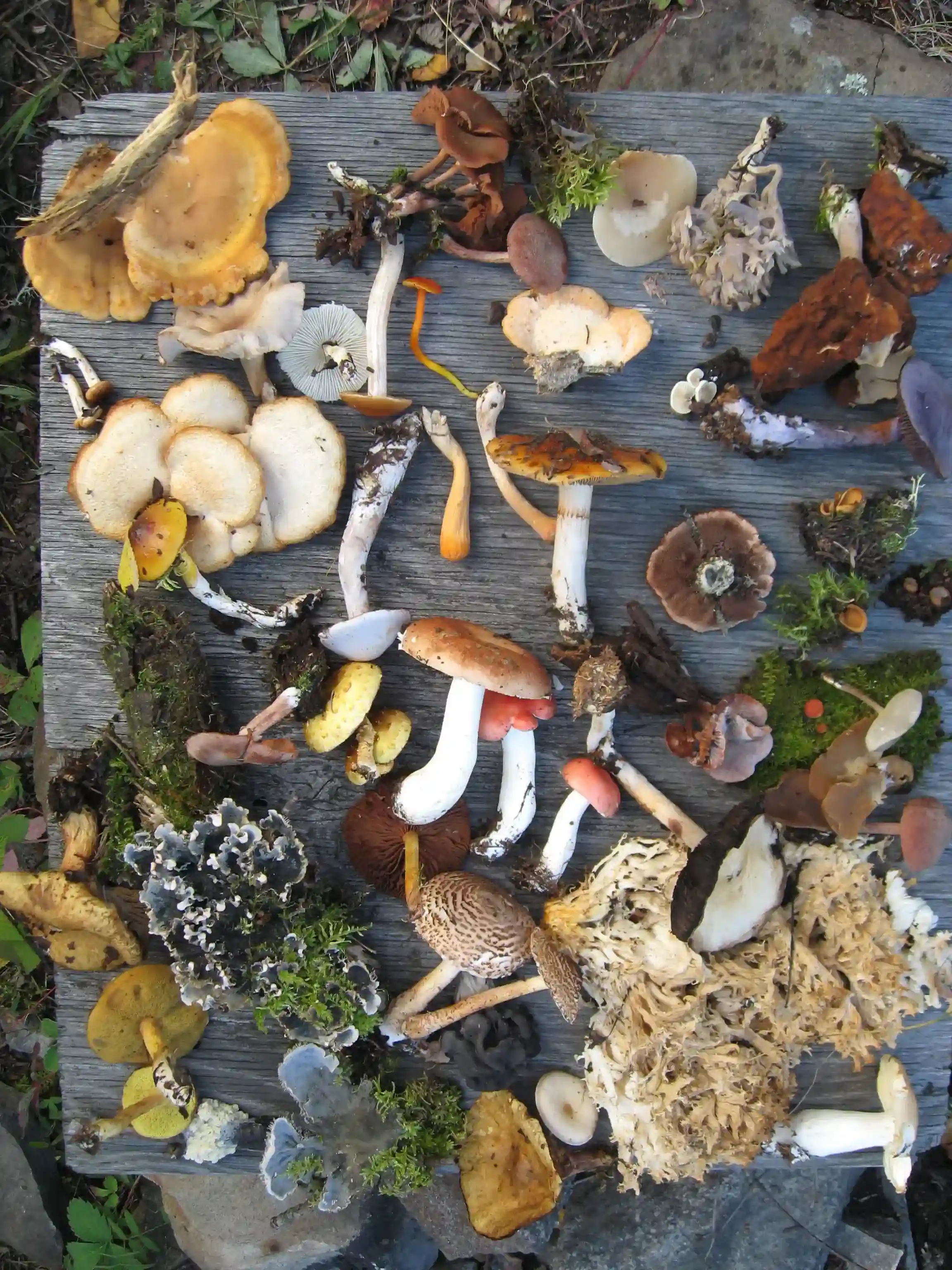
Biodiversity, or biological diversity, is the variety of flora and fauna, in their form and function, found on earth. They are quite different in their looks, behaviour with other life, survival techniques etc. but they’re are interdependent on each other in a vast network of life.
It’s important to protect biodiversity around us because it doesn’t only serve the aesthetics of an ecosystem but it’s crucial for our survival as well. For example different crops provide different regions in India with sufficient food and sectors like fish trade relies on aquatic biodiversity. We also need thriving diverse forests to counter the growing threat of the climate emergency.
Conservation Efforts
Conservation is the study of the loss of biodiversity on Earth and of the policies that can prevent this loss. Since the 60s and 70s Indian conservationists demanded a national wildlife protection programme which resulted in The Indian Wildlife (Protection) Act, 1972.
This act :
- made a list of protected species
- banned their hunting
- gave legal protection to their habitats
- restricted wildlife trade
The central government also took initiatives to protect specific wildlife, such as:
- The Tiger
- The Kashmiri Hangul
- Freshwater & Saltwater crocodile and the Gharial.
- The one-horned rhinoceros.
- The Asiatic Lion
- The Snow Leopard
Not only does the protective list feature animals in the conventional sense but it also gained insects in 1980 and plants in 1991.
Forests
Forests are classified into different categories to better manage them. These categories are :
Reserved Forests
These are considered as the most valuable forests from a conservation and biodiversity perspective. So, these are the most heavily regulated forests. All outside activities are banned here like hunting, grazing etc. These make up more than half of total Indian forests.
Protected Forests
These forests are one rank below reserved forests and have relatively less strict rules governing them. This forest land is protected from further erosion and depletion. These make up almost one-third of all Indian forests.
Unclassed Forests
Forests belonging to none of the above two categories.
Reserved and Protected Forests are called Permanent Forests.
Madhya Pradesh has the highest percentage of permanent forests out of total forest area at 75%!
Communities and Forests
In popular Indian culture, our indigenous tribes are often marginalized. It’s important to realise that the only sustainable way to maintain our forest ecosystems and wildlife is by including the communities who resided, in these very ecosystems, for thousands of years conservation efforts!
There has been an endeavour close to this in the JFM (Joint Forest Management) programme launched in 1988. First passed in Odisha, this programme makes available the necessary systems of governance that include the biggest stakeholders in forest decisions.
JFM makes village units for protection of forests. The villagers receive benefits like non-timber forest produce and a share in the timber from sustainable sources through successful production.
But we must do more to give these villages more power over decisions until they’re capable to make the ultimate decisions and have the autonomy to favour only pro-forest and pro-people initiatives to take place.
Some successful examples of people conserving their lands are :
Chipko Movement
Beej Bachao Andolan
Navdanya