About 60% (two-thirds) of Indians depend either independently or directly on the agricultural sector. We have large swaths of farmland and much of it has come up after independence & specifically in the 60s, during the green revolution.
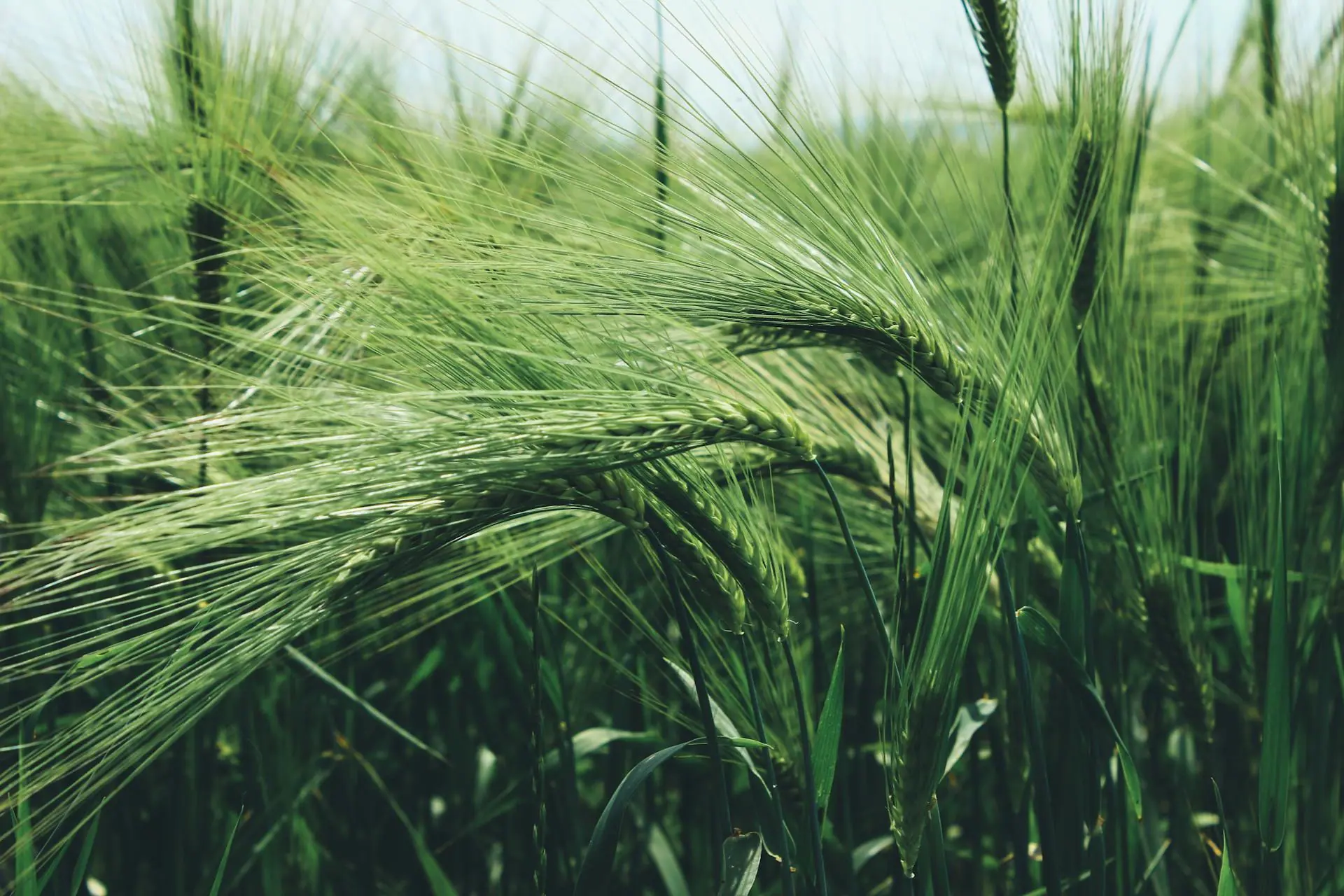
Types of Agriculture
Many types of farming exist in the country, they differ on two axes, technological and economical from subsistence—commercial to primitive—intensive.
Primitive Subsistence Farming
Primitive subsistence farming is the farming done by primitive tools to sustain life.
Location
On small patches of land, done in some parts of rural India for subsistence.
Dependence
Dependent on natural factors like: soil fertility, rain patterns etc.
Method
This agriculture is also called ‘slash & burn’ agriculture due to the fact that farmers cultivate a small patch of land for grains and them set fire to them leave them fallow for a few years. This heals the land and replenishes its nutrients while the farmers clear another patch of land for farming.
This has different names like :
In India:
Jhumming in : Assam, Meghalaya, Mizoram and Nagaland
Pamlou in Manipur
DipDipaa in Bastar, Chhattisgarh
Bewar or Dahiya in Madhya Pradesh
Podu or Penda in Andhra Pradesh
Pama Dabi or Koman Bringa in Odisha
Kumari in Western Ghats
Valre or Waltre in South-eastern Rajasthan
Khil in the Himalayan belt
Kuruwa in Jharkhand
Internationally :
Milpa in Mexico and Central America
Conuco in Venzuela
Roca in Brazil
Masole in Central Africa
Ladang in Indonesia
Ray in Vietnam
Intensive Subsistence Farming
Intensive subsistence farming is farming done for subsistence with extra bio-chemical inputs and intensive labour input.
Since the land holdings in India are very small and uneconomical on a personal level the farmers keep trying to get the max output from the limited land. Thus, there is enormous pressure on agricultural land.
Commercial Farming
Commercial farming is farming done with the aim of selling and making a profit on the produce. It’s characterized by the use of high yielding variety (HYV) seeds, chemical fertilisers, insecticides and pesticides for higher productivity.
Some crops are subsistence crops in one part of the country (like rice in Odisha) and commercial crops in another part of the country (like Haryana and Punjab).
Plantations
A plantation is a mix of industry and farming. It’s capital and labour intensive. Large swaths of lands are acquired and furnished with capital to grow one kind of crop (like coffee, tea etc.). They are tendered to by migrant labour. Plantations generally provide raw materials for other industries.
Important plantation crops in India include : tea, coffee, rubber, sugarcane, banana.
Places they grow at : Tea in Assam and North Bengal. Coffee in Karnataka.
Cropping Pattern
India’s diversity is also showcased in its cropping pattern.
Indian has three principal cropping seasons. They are :
1. Rabi
Rabi crops are sown in winter from October to December and harvested in summer from April to June.
Some important rabi crops are : wheat, barley, peas, gram and mustard.
States where they are mostly grown : Punjab, Haryana, Himachal Pradesh, Jammu and Kashmir, Uttarakhand and Uttar Pradesh.
Western temperate cyclones help with precipation in winter months. Rabi crops were also helped in Punjab and Haryana by the green revolution.
2. Kharif
Kharif crops are sown at the onset of monsoon in different parts of the country and these are harvested in winter during September-October.
Some important kharif crops are : paddy, maize, jowar, bajra, tur (arhar), moong, urad, cotton, jute, groundnut and soyabean.
States where it’s grown at are : Assam, West Bengal, coastal regions of Odisha, Andhra Pradesh, Telangana, Tamil Nadu, Kerala and Maharashtra, particularly the (Konkan coast) along with Uttar Pradesh and Bihar.
It has become important in Punjab and Haryana as commercial crops too.
Assam, West Bengal and Odisha grow three crops of paddy, called Aus, Aman and Boro.
3. Zaid
Zaid is a cropping season between kharif and rabi. Mostly from March to June.
Most crops in zaid are related to horticulture, like : water melon, muskmelon, cucumber, vegetables and fodder crops. Sugarcane are also grown, though they take upto a year.
Major Grain Crops
Major crops grown in India include both food and non-food crops like wheat, paddy, cotton, jute etc. Major crops include : rice, wheat, millets, pulses, tea, coffee, sugarcane, oil seeds, cotton and jute, etc.
Rice
Staple food crop of majority of Indias. India is its second largest producer after China.
It’s a kharif crop.
Requires :
- High temperature, (above 25°C)
- High humidity
- Annual rainfall above 100 cm.
Grown in :
Plains of north and north-eastern India.
Coastal areas and the deltaic regions.
Punjab, Haryana and western Uttar Pradesh and parts of Rajasthan grow it with the help of canal irrigation and tubewells.
Wheat
The second most important cereal crop after rice.
It’s a rabi crop.
It’s the main food crop, in north and north-western part of the country.
Requires :
A cool growing season and a bright sunshine at the time of ripening.
75 cm of annual rainfall evenly-distributed over the growing season.
Growing Zones
- The Ganga-Satluj plains in the north-west and black soil region of the Deccan.
Major Producers : Punjab, Haryana, Uttar Pradesh, Madhya Pradesh, Bihar and Rajasthan.
Millet
- Types: Jowar, Bajra, Ragi
- Nutritional Value: High in iron, calcium, micro nutrients, and roughage
- Jowar:
- Third most important food crop
- Rain-fed, needs minimal irrigation
- Major states: Maharashtra, Karnataka, Andhra Pradesh, Madhya Pradesh
- Bajra:
- Thrives on sandy and shallow black soils
- Major states: Rajasthan, Uttar Pradesh, Maharashtra, Gujarat, Haryana
- Ragi:
- Grows in dry regions and various soil types
- Major states: Karnataka, Tamil Nadu, Himachal Pradesh, Uttarakhand, Sikkim, Jharkhand, Arunachal Pradesh
Maize
- Uses: Food and fodder
- Season: Kharif crop, sometimes grown in rabi season in Bihar
- Growing Conditions: Requires 21°C to 27°C, grows well in old alluvial soil
- Modern Inputs: HYV seeds, fertilizers, irrigation
- Major states: Karnataka, Madhya Pradesh, Uttar Pradesh, Bihar, Andhra Pradesh, Telangana
Pulses
- Significance: Largest producer and consumer in the world
- Nutritional Role: Major protein source in vegetarian diets
- Types: Tur (arhar), Urad, Moong, Masur, Peas, Gram
- Growing Conditions: Low moisture needs, leguminous (except arhar, which doesn’t fix nitrogen)
- Major states: Madhya Pradesh, Rajasthan, Maharashtra, Uttar Pradesh, Karnataka
Major Non-Grain Crops
Sugarcane
- Climate: Tropical and subtropical, thrives in hot and humid conditions
- Temperature: 21°C to 27°C
- Rainfall: 75cm to 100cm annually; requires irrigation in low rainfall areas
- Soil: Grows well on various soils
- Labour: Requires manual labour from sowing to harvesting
- Production: India is the second largest producer after Brazil
- Products: Sugar, gur (jaggery), khandsari, molasses
- Major states: Uttar Pradesh, Maharashtra, Karnataka, Tamil Nadu, Andhra Pradesh, Telangana, Bihar, Punjab, Haryana
Groundnut
- 2018 Ranking: Second largest producer after China
- Other Oilseeds: Mustard, coconut, sesamum (til), soybean, castor seeds, cotton seeds, linseed, sunflower
- Uses: Cooking oil, raw materials for soap, cosmetics, and ointments
- Crop Seasons:
- Kharif Crop: Groundnut, sesamum (in north India)
- Rabi Crop: Linseed, mustard, sesamum (in south India)
- Both: Castor seed
- Major states (2019–20): Gujarat (largest), followed by Rajasthan and Tamil Nadu
Tea
- Cultivation: Plantation agriculture
- Climate: Tropical and subtropical, deep, fertile, well-drained soil, warm and moist
- Labour: Labour-intensive, requires abundant, cheap, skilled labour
- Processing: Done within tea gardens to maintain freshness
- Major states: Assam, Darjeeling and Jalpaiguri (West Bengal), Tamil Nadu, Kerala, Himachal Pradesh, Uttarakhand, Meghalaya, Andhra Pradesh, Tripura
- 2018 Ranking: Second largest producer after China
Coffee
- Quality: Known for high quality, especially Arabica variety
- Origin: Brought from Yemen
- Cultivation Areas: Baba Budan Hills, Nilgiri (Karnataka, Kerala, Tamil Nadu)
Horticulture Crops
- 2018 Ranking: Second largest producer of fruits and vegetables after China
- Fruits:
- Mangoes: Maharashtra, Andhra Pradesh, Telangana, Uttar Pradesh, West Bengal
- Oranges: Nagpur, Cherrapunjee (Meghalaya)
- Bananas: Kerala, Mizoram, Maharashtra, Tamil Nadu
- Lychee and Guava: Uttar Pradesh, Bihar
- Pineapples: Meghalaya
- Grapes: Andhra Pradesh, Telangana, Maharashtra
- Apples, Pears, Apricots, Walnuts: Jammu and Kashmir, Himachal Pradesh
Non-Food Crops
Fibre Crops
- Major Types: Cotton, Jute, Hemp, Natural Silk
- Sources:
- Cotton, Jute, Hemp: Derived from crops grown in soil
- Silk: Obtained from silkworm cocoons, which are fed on mulberry leaves
- Silk Production: Known as sericulture
Cotton
- Origin: Believed to be native to India
- Uses: Key raw material for the cotton textile industry
- 2017 Ranking: Second largest producer after China
- Growing Conditions:
- Soil: Drier black cotton soil of the Deccan Plateau
- Climate: High temperature, light rainfall or irrigation, 210 frost-free days, bright sunshine
- Season: Kharif crop, matures in 6 to 8 months
- Major States: Maharashtra, Gujarat, Madhya Pradesh, Karnataka, Andhra Pradesh, Telangana, Tamil Nadu, Punjab, Haryana, Uttar Pradesh
Rubber
- Growing Conditions:
- Climate: Moist and humid, rainfall > 200 cm, temperature > 25°C
- Regions: Equatorial, tropical, and sub-tropical areas
- Major States: Kerala, Tamil Nadu, Karnataka, Andaman and Nicobar Islands, Garo Hills (Meghalaya)
Technological & Institutional Reforms
Sustained uses of land without compatible techno-institutional changes have hindered the pace of agricultural development. For a growing population, this poses a serious challenge. Agriculture which provides livelihood for more than 60 per cent of its population, needs some serious technical and institutional reforms.
Some reforms include :
1. Abolition of Zamindaari
However the implementation of this act was pretty bad.
2. Collectivisation & consolidation of land holdings.
Some government schemes like Kissan Credit Card (KCC), Personal Accident Insurance Scheme (PAIS) were introduced for the benefit of the farmers.
Bhoodan Movement: The Bloodless Revolution
Mahatma Gandhi declared Vinoba Bhave as his spiritual heir and a key participant in Satyagraha. Bhave was a staunch supporter of Gandhi’s concept of gram swarajya. After Gandhi’s death, Bhave embarked on a padyatra to spread Gandhi’s message across India.
During a lecture in Pochampalli, Andhra Pradesh, landless villagers requested land for their economic well-being. Although Bhave couldn’t immediately promise land, he assured them he would discuss it with the Government of India if they agreed to cooperative farming.
In response, Shri Ram Chandra Reddy offered 80 acres of land for distribution among 80 landless villagers, an act known as ‘Bhoodan’. Bhave continued to spread his ideas throughout India. Some zamindars offered entire villages to the landless, known as Gramdan. Many landowners, motivated by the fear of land ceiling laws, chose to donate portions of their land.